- Category: Fintech
Cross-Platform Trading: Why Multi-Platform Sync is the Future for Brokers
Frequently Asked Questions
What is cross-platform trading?
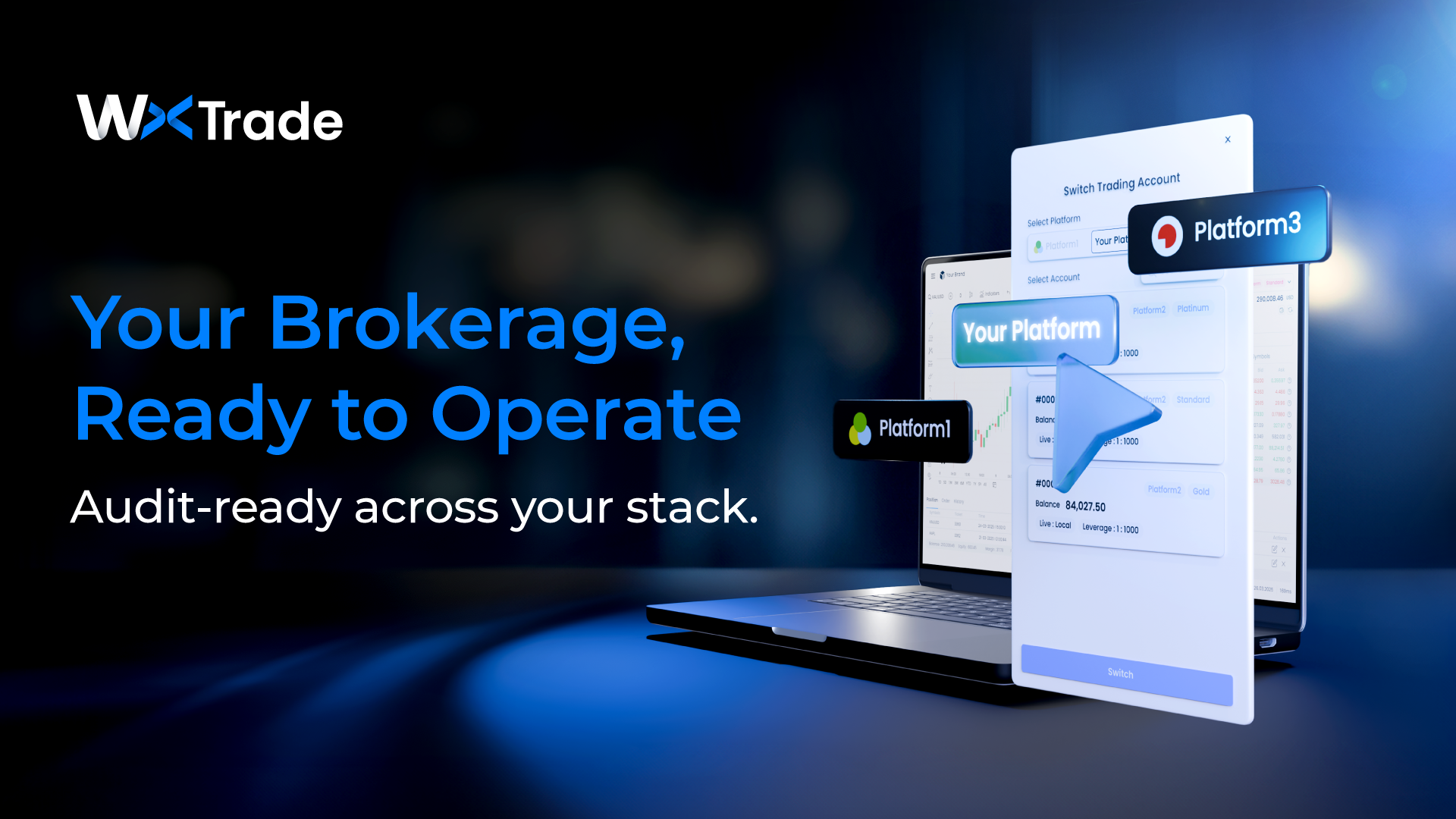
Cross-platform trading is the ability for a client to trade seamlessly across multiple devices and trading platforms (mobile, web and desktop) with a consistent account, balance and experience everywhere. Traders now expect the same continuity they get from consumer apps, switching devices mid-session without losing context. For brokers, delivering this means synchronising data across platforms in real time.
Why is multi-platform synchronisation important for brokers?
Multi-platform sync is important because modern traders use several devices and expect their positions, balances and history to match instantly across all of them. Without it, a client sees different information on mobile than on desktop, which erodes trust and increases support load. Real-time synchronisation turns platform loyalty into experience loyalty, which is a stronger driver of retention.
What are the hidden costs of a fragmented trading platform setup?
Fragmentation creates operational inefficiency, reconciliation problems and compliance blind spots, because data lives in disconnected systems that must be manually stitched together. Staff waste time reconciling records, errors creep in, and regulators see an incomplete picture of client activity. These hidden costs often exceed the apparent savings of running separate, unintegrated platforms.
How do APIs enable cross-platform trading?
APIs act as the connective tissue that lets trading platforms, CRM, payments and risk systems share data in real time, so a change on one platform is reflected everywhere. Well-documented APIs let brokers add or replace components without rebuilding the whole stack. This connectivity is what makes a unified client view across devices technically possible.
What is event-driven architecture in trading platforms?
Event-driven architecture (EDA) is a design where systems react to events (a trade, a deposit, a status change) as they happen, publishing updates that other components consume instantly. In cross-platform trading it keeps balances, positions and account data synchronised across devices in real time rather than through delayed batch updates. EDA is the backbone of a responsive, consistent multi-platform experience.