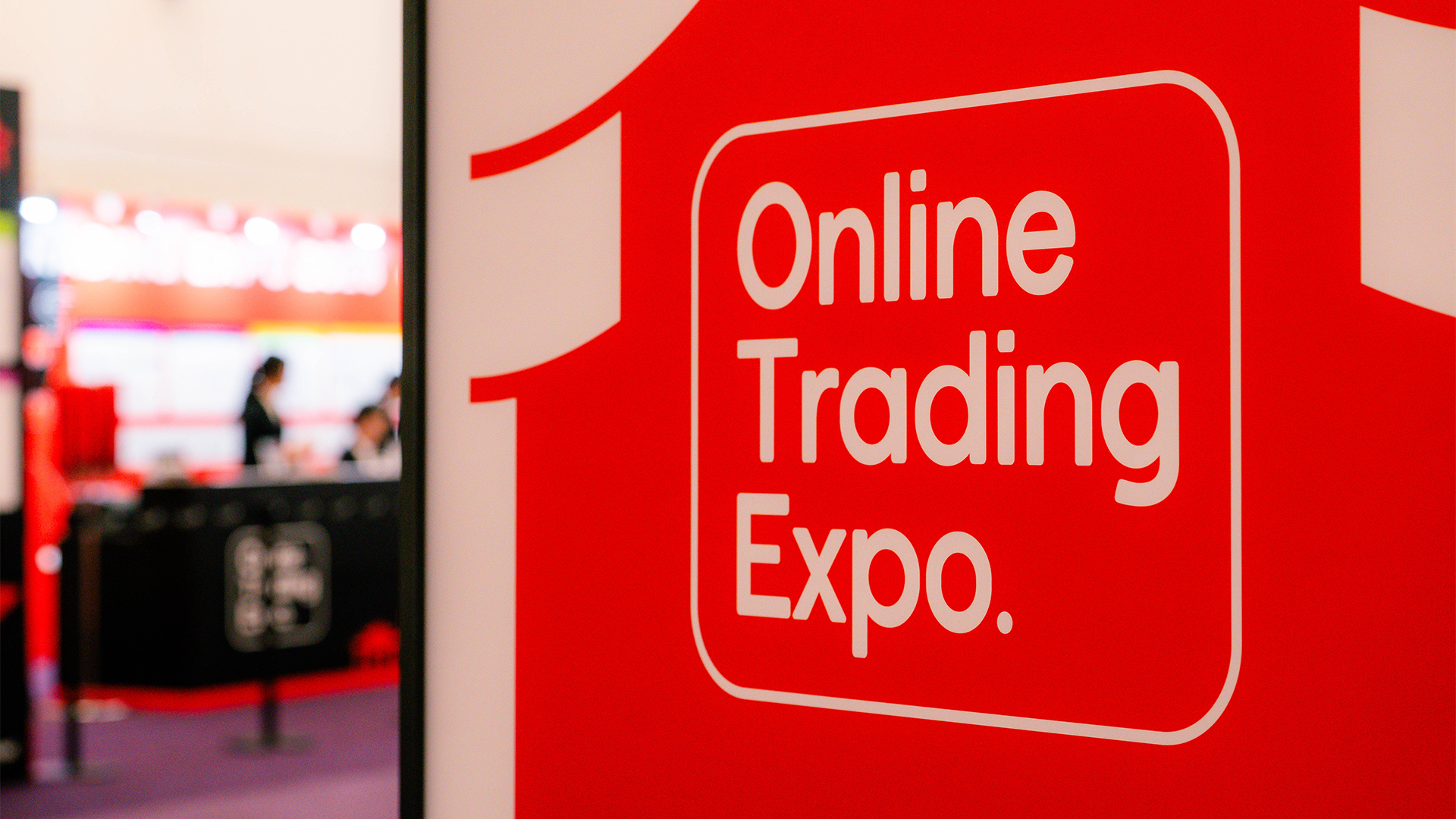
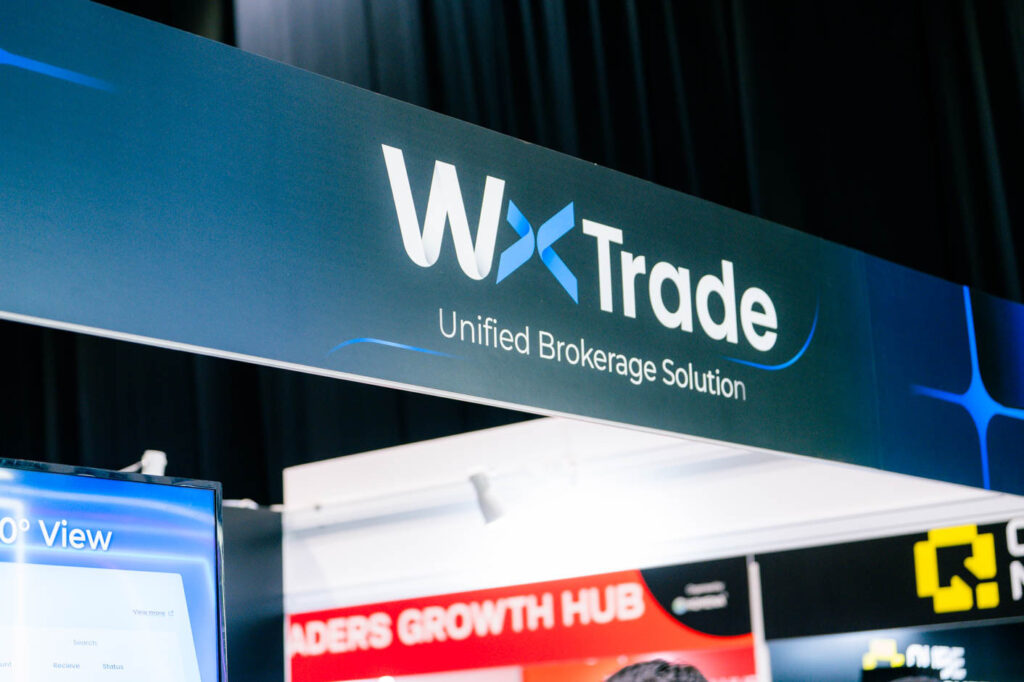
The Online Trading Expo 2026, held 27–28 May at AsiaWorld-Expo in Hong Kong, drew forex brokers, technology providers, and fintech decision-makers from across the apac region and beyond. WxTrade participated at Booth 31, presenting live infrastructure demos and engaging senior broker operators in focused discussions about the shift from fragmented tools to a unified brokerage operating model.
Key Takeaways
WxTrade exhibited at Booth 31 during the Online Trading Expo on 27–28 May at AsiaWorld-Expo in Hong Kong, with strong booth traffic and live demonstrations of its broker infrastructure.
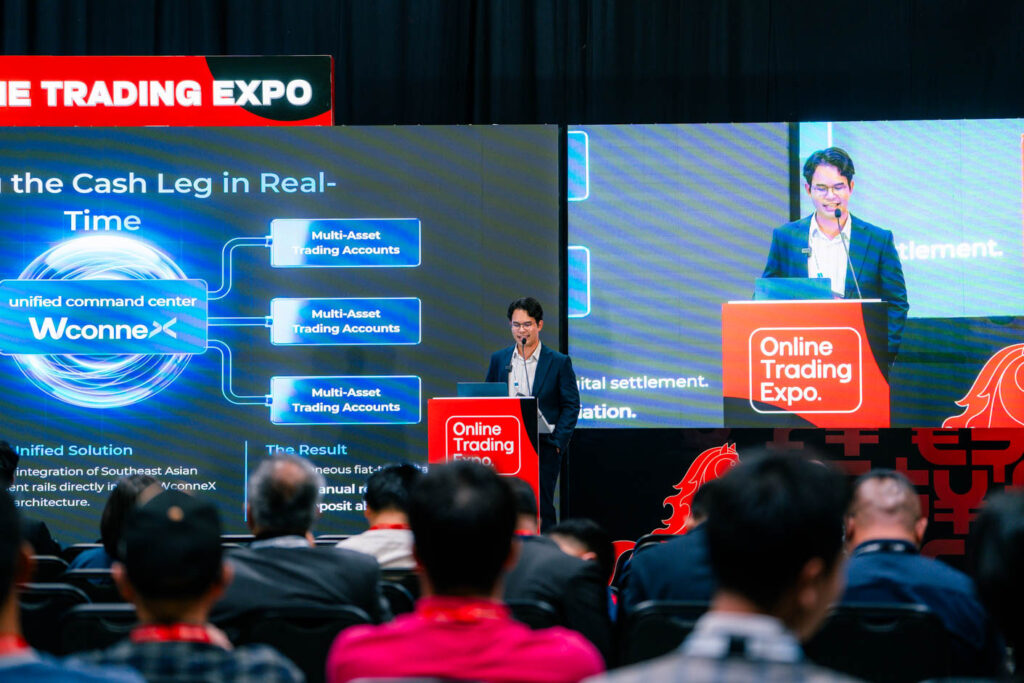
Leo Vance, Regional Sales Director, APAC, delivered a speaker session titled “Converging Traditional Finance and Digital Finance: Revolutionizing Asia’s Multi-Asset Trading Future,” anchoring WxTrade’s thought-leadership presence at the event.
Many Asia-based brokers continue to operate fragmented stacks-separate trading platforms, forex crm systems, KYC providers, payment gateways, and back office tools-which increases cost, regulatory exposure, and time to market.
A unified broker command center, such as WxTrade’s WconneX, connecting multiple trading platforms, payments, and compliance modules, is becoming the preferred operating model for brokerages seeking to scale.
White label solution infrastructure for multi-asset brokerages is lowering barriers to entry across Asia, enabling firms to launch or modernise without building each component from scratch.
Online Trading Expo 2026 in Hong Kong: Why the Event Matters for Asian Brokers
The Online Trading Expo 2026 made its inaugural Hong Kong debut at AsiaWorld-Expo, positioning itself as a significant industry gathering for the Asia-Pacific trading market. The expo connects global brokers and fintech providers, with exhibitors showcasing advanced trading software and analytical tools across asset classes including forex, cryptocurrencies, and stocks. Sponsorship opportunities were available for firms seeking greater visibility among the event’s attendees, which included brokerage founders, CEOs, COOs, CTOs, and heads of sales evaluating trading platforms, crm solutions, and liquidity arrangements.
Hong Kong is positioned as a financial gateway for Asia, making it a practical forum for discussing cross-border expansion, licensing, and regulatory compliance strategies. The event format combined an exhibition floor with conference sessions. It featured live webinars, panel discussions, and workshops for education on topics ranging from risk management strategies important to limit trading drawdowns, to how AI and machine learning are crucial for automated trading and predictive analysis. Educational sessions highlighted critical risk management practices for traders and broker operators alike, and workshops helped attendees refine existing strategies and learn new trading techniques.
Online trading expos such as this one provide opportunities for skill enhancement and market insights, and networking opportunities exist with industry experts and fellow traders from across the global market. Direct interaction with technology providers at the booth level can enhance technical proficiency for teams evaluating vendor options. Major expos now offer digital tickets for learning about AI-driven trading strategies, and hybrid and virtual participation options are available for leading trading summits, meaning upcoming online trading expos provide virtual access to global financial markets. Even for those who cannot attend in person, online trading expos reduce travel costs and allow participation from any location. Understanding current market trends is crucial for informed trading decisions, and expos cover a variety of topics for traders, brokers, and fintech professionals-giving attendees the knowledge to plan the next phase of growth. Regulatory changes impact currency and equity markets significantly, making events like this an essential checkpoint for decision-makers. For context, iTrading Expo 2026 in Miami will have over 3,000 exhibitors from over 30 countries, reflecting the scale of global demand for this type of industry forum. Expos also offer opportunities to connect with industry leaders and market movers shaping the future of brokerage operations.

WxTrade at Booth 31: Broker Conversations, Traffic, and Live Infrastructure Demos
WxTrade maintained a consistent presence at Booth 31 throughout both days, drawing steady booth traffic from forex brokers, CFD providers, and multi-asset broker operators. Visitors included established MT5 brokers seeking a more integrated forex crm, new market entrants exploring white-label broker packages, and operators evaluating additional trading platforms such as cTrader or Match-Trader.
Live demos centred on WconneX as the central broker crm and operating layer. Visitors observed integrations with multiple trading platforms, client portals, payment gateways, and KYC/AML tools-all managed from a single broker command center. Discussion themes at the booth consistently returned to reducing vendor sprawl, consolidating reporting across platforms, improving risk management visibility, and achieving faster onboarding times while maintaining regulatory compliance.
These conversations confirmed a shared challenge: fragmented technology stacks driving higher operating costs, slower go-live timelines, and limited control over client operations. Over 500 clients have launched forex brokers using turnkey solutions from WxTrade, and the platform can launch a trading brokerage in just 14 days-a data point that drew significant attention from founders evaluating speed to market.
Leo Vance’s Session: Converging Traditional and Digital Finance in Asia’s Multi-Asset Trading
Leo Vance, Regional Sales Director, APAC at WxTrade, delivered a speaker session at the Online Trading Expo titled “Converging Traditional Finance and Digital Finance: Revolutionizing Asia’s Multi-Asset Trading Future.” The session addressed how traditional FX and CFD brokerage models are intersecting with digital assets, tokenised instruments, and alternative trading platforms-and why infrastructure must handle both in a single operating environment.
Key insights from the session included the need for infrastructure that supports multiple asset classes through consolidated risk and client data across trading platforms, and the rising demand from regulated brokers offering both traditional and digital finance products. Vance referenced real-world examples from Asian brokers who operate MT5 alongside digital-asset gateways yet still rely on spreadsheets and separate CRM systems to manage clients, resulting in operational friction and blind spots. Rather than focusing on features, the session framed a strategic question: how Asia’s brokers can build scalable, compliant multi-asset operations without continuously stitching tools together.
The Cost of Fragmented Broker Technology Stacks in Asia
Many Asia-based brokers currently piece together MT5 or cTrader servers, standalone forex crm systems, separate payment gateways, independent KYC providers, and manual back office tools from multiple vendors. A unified brokerage software ecosystem streamlines operations, but most firms still operate with siloed infrastructure.
The main pain points include:
Increased integration complexity and longer implementation timelines
Duplicated data across analytics platforms, crm, and payment systems
Inconsistent reporting and higher maintenance overhead
Difficulty maintaining audit trails across disconnected systems, complicating compliance with local regulators on AML, KYC, and transaction monitoring
Fragmentation directly impacts revenue. According to DivulgeTech’s analysis of multi-asset platform builds, multi-asset rollouts commonly take 30–90+ days compared to 5–15 business days for FX-only stacks. Slower time to market for new jurisdictions, reduced ability to launch new asset classes, and weaker client retention from inconsistent onboarding experiences were recurring themes at the expo. Many booth discussions at Online Trading Expo 2026 revolved specifically around this fragmentation problem and the search for an infrastructure-level solution.
Fragmented Stack vs Unified Broker Command Center
The next generation of broker infrastructure looks less like a loose collection of tools and more like a unified command center, with a single crm and operations layer orchestrating multiple trading platforms, payments, and compliance workflows.
|
Category |
Fragmented Broker Stack |
Unified Broker Command Center |
|---|---|---|
|
Integration effort |
Multiple point integrations; custom connectors; many support contracts |
One core CRM/operations layer; pre-built connectors; reduced vendor count |
|
Time to launch new markets |
Months per new market or asset class |
Configuration-led changes; weeks in many cases |
|
Visibility into client and trading data |
Siloed data; manual reconciliations |
Unified dashboards; real-time consolidated reporting |
|
Regulatory compliance oversight |
Fragmented audit trails; inconsistent KYC/AML |
Harmonised workflows; centralised logs; consistent standards |
|
Operating cost structure |
High overhead from multiple vendor fees and bespoke development |
Lower vendor count; predictable costs; improved economies of scale |
|
Ability to add new trading platforms |
Each addition requires custom work and carries incompatibility risks |
Modular design with APIs and bridges already in place |
WxTrade’s WconneX operates as a central operating layer that can connect MT5, cTrader, Match-Trader, and other trading platforms. It does not claim to be the only option on the market, but it represents the category of institutional grade infrastructure that brokers at the expo were actively evaluating.
Key Features Asian Brokers Prioritised at Online Trading Expo
Brokers consistently asked about several key features at WxTrade’s Booth:
Multi-platform support: MT5, cTrader, Match-Trader integration from one control layer
Integrated CRM capabilities: consolidated accounts, client data, and IB/rebate networks
Flexible client portals: brandable, multi-language, responsive
Regional payment gateway integrations: local PSPs, e-wallets, and cross-border rails for payments
Copy trading connectivity: enabling social and copy trading features across platform types
Enterprise security: role-based access controls, structured logging, and verification workflows
Decision-makers also requested clear APIs and documentation so their own teams or trusted developers could build additional integrations. These priorities reinforce the shift from siloed tools to infrastructure-level platforms acting as the central backbone for brokerage operations, performance, and innovation.
How Unified Infrastructure Supports Multi-Asset Expansion
Many Asian brokers are expanding beyond spot FX into CFDs on equities, indices, commodities, and digital assets, often operating multiple trading platforms concurrently. A unified broker command center simplifies this expansion through central onboarding regardless of asset class, shared risk profiles, consolidated client wallet balances, and unified reporting.
The trading platform layer still handles execution, while the crm and infrastructure layer coordinates client access, entitlements, leverage settings, and margin rules across product lines. Consider a Hong Kong-based broker adding crypto CFDs for Southeast Asian clients: without unified infrastructure, that launch requires separate LP integration, new KYC workflows, and a parallel back office process-creating an operational silo. With a connected operating model, the broker configures the new asset class within the existing infrastructure and maintains one view of risks, data, and client operations. This multi-asset shift makes infrastructure decisions taken at events like Online Trading Expo 2026 strategically significant for regional growth.

Conclusion: From Fragmented Tools to a Connected Broker Operating Model
Online Trading Expo 2026 at AsiaWorld-Expo highlighted a clear trend: Asian brokers are moving away from fragmented stacks toward unified infrastructure that can manage multiple trading platforms, assets, and regions. WxTrade’s presence combined with Leo Vance’s session on converging traditional and digital finance, underscored the strategic importance of a central broker command center such as WconneX. Brokers who wish to lower integration risk, improve time to market, and gain better control over client operations should evaluate unified infrastructure models as part of their next planning cycle. Brokerage executives and fintech leaders across Asia can speak directly with WxTrade to explore practical steps for consolidating their trading platforms, forex crm, payments, and compliance tools into a more scalable operating model.